
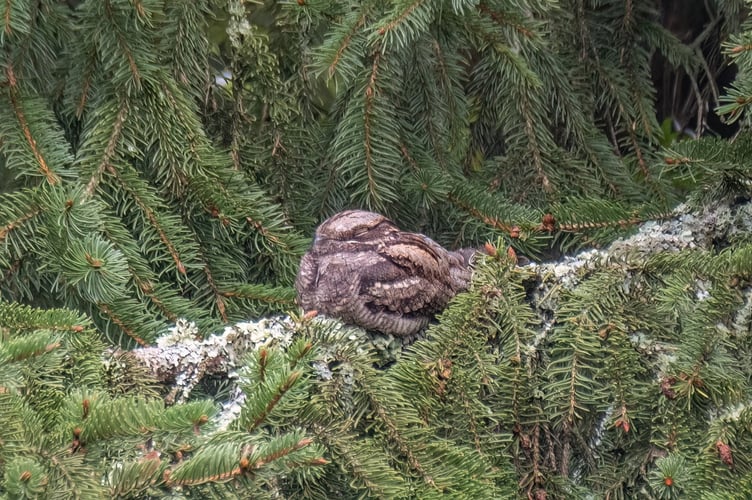
An elusive bird with a mythical ability to steal milk from goats is making a comeback in East Hampshire with its local population doubling in five years.
The distinctive “churring” song of the nightjar is being heard after hours once again around parts of the South Downs National Park with 2025 being a record year for the migrating camouflaged bird, locally.
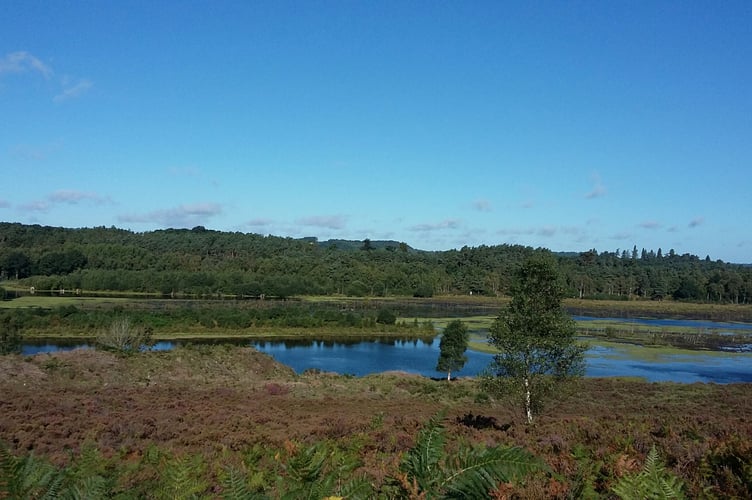
A record 109 nightjar territories, compared to 78 last year, were recorded in a recent ecological survey in the “Special Protection Area” that includes Woolmer Forest and the Commons of Shortheath, Bramshott, Ludshott, Broxhead and Kingsley.
The boom has been attributed to nature recovery efforts, better habitat management and a heathland restoration initiative led by the SDNPA, East Hampshire District Council, Whitehill Town Council, MoD, Amphibian and Reptile Conservation, the Deadwater Valley Trust and several other partners.


.jpg?width=209&height=140&crop=209:145,smart&quality=75)
Protecting and increasing lowland heath, which provides perfect ground-nesting sites for nightjars, has been key along with a sustained campaign by rangers to educate dog walkers and ramblers about the importance and delicacy of the heathland landscape.

“The results of the ecological report are so inspiring and really show what we can achieve together to help biodiversity bounce back,” said engagement ranger, Kirsty Murray as nesting season begins.
“The comeback is largely down to the hard work of the land managers on these sites.”
She added: “It’s wonderful to hear the nightjars churring away as dusk falls and we’re looking forward to continuing this incredibly positive conservation work alongside local communities and our partners.”
Many of the sites are owned by the MoD and actively used for military training, but they facilitate conservation work on the Defence Training Estate.
Hampshire and Isle of Wight Wildlife Trust and Amphibian and Reptile Conservation directly manage some MoD land, like Broxhead Common, for wildlife, benefitting species such as the nightjar.
Nightjars were once much more common and widespread but it’s now listed as an Amber species under the Red List for Birds, meaning it is a species of conservation concern.
The loss of open woodland and heathland to agriculture and development caused numbers to dramatically fall by 51 per cent across the UK between 1972 and 1992.
Nightjars are crepuscular birds and can be seen hunting for food at dusk and dawn.
The bird makes the 4,000 mile flight from the Democratic Republic of Congo to breed in Britain normally between April and August. The bird is known by many names – the Fern Owl, the Wheeler, the Nightchurr and the Dor-Hawk. But the oddest is the Goatsucker.
Long ago it was thought nightjars would drink milk directly from goats, poisoning them so their udders wasted away and they went blind.
The legend probably arose from the fact that nightjars were coming close to livestock because they were hunting insects nearby.
For more information about heathlands and events and activities coming up visit www.southdowns.gov.uk/help-your-heaths/
The same website also has information about the Park’s ‘Take the Lead’ campaign around responsible dog walking.
Comments
We've recently changed our login process. If you have an account for commenting, you will need to re-register on the login window.
This article has no comments yet. Be the first to leave a comment.