
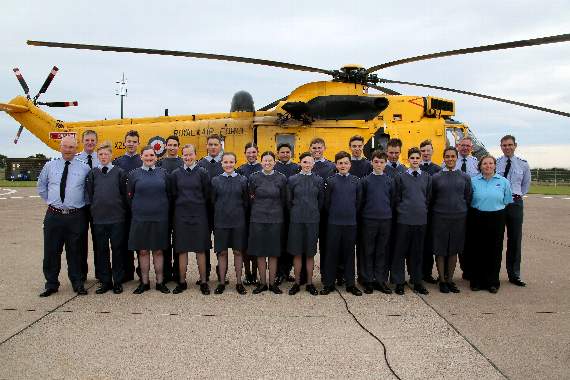
AIR Cadets from 229 (Farnham) Squadron formed part of Surrey Wing visiting RAF Boulmer in Northumberland for their annual camp, taking part in a wide range of activities.
The week-long visit gave the cadets the opportunity to visit an active Royal Air Force station and experience first-hand life in the Service.
During what proved to be a fantastic week, the cadets gained an understanding of RAF Boulmer – which is the hub of the UK Air Surveillance and Control Systems (ASACS) Force – and the vital role it plays in the defence of the United Kingdom.
The cadets visited the Control and Reporting Centre where Aerospace Battle Managers (ABMs) monitor radar pictures and control Typhoon fighter aircraft.




RAF ABMs police the skies for potential air threats over the UK and international waters, identifying all aircraft in the UK Flight Information Region. When there is an indication that an aircraft might pose a threat, RAF Boulmer personnel will scramble fighter jets from the Quick Reaction Alert force to investigate. They then direct the aircraft to the target and control the interception.
Cadets were subsequently able to plan and execute their own simulated air battle by participating in a ‘Tactical Floor’ exercise run by RAF officers. This exercise demonstrated to the cadets the need to assimilate real-time information coming in from various sources during the ‘battle’, make quick decisions on the information they had, and then effectively communicate their orders to the pilots who were standing by to carry out their instructions.
Cadets also conducted weapons training and – after rigorous weapons handling tests – shooting practice, in which they were able to gain marksmanship qualifications.
The cadets then took part in leadership and navigation exercises, including basic field training to provide an awareness of wider military activity, and competitive sports.
Finally, the group visited 202 Squadron, which operatse the RAF’s Sea King search and rescue helicopter. Cadets were shown around the aircraft and experienced the helicopter in action as they joined the crew in a daily training flight.
The Air Cadet Organisation is a military youth organisation open to young people aged 13-20. Activities are usually free or at minimal cost, and opportunities exist for cadets to go flying, gliding, shooting, adventure training, represent their area and country in various sports, gain nationally-recognised qualifications and visit other countries.
The camp commandant, Flight Lieutenant Bill Whittenberry, said: “The cadets have benefited from an amazing week. The station has been brilliant in supporting us in all the provided activities, and the helicopter flight was especially memorable”.
Comments
This article has no comments yet. Be the first to leave a comment.