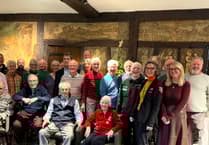
FARNHAM residents are keen to lead the good life, eating wholesome vegetables and fruit that have been locally grown and don't cost the earth in any sense. That much was clear from a meeting held at Farnham Maltings on Saturday to present the vision for The Farnham Local Food Initiative. The response was so positive that enthusiasts hope to be tucking into locally grown salads and carrots and beetroot, with virtually no food miles involved, by this summer. Organisers of the meeting had judged that 30 would be a good attendance figure. In the event, 140 people turned up to hear how the co-operative proposed might work. And around 50 enthusiasts committed on the spot, offering their talents to working groups to set up a pilot project that would see land rented or loaned, and farmed for the collective good of members. Greg Pilley, representing the Soil Association, explained that £50 million in lottery funding will be available over the next five years for initiatives to restore the infastructure for local food. He suggested a funding application should be in by March and advised that renting 10 acres would cost £2,000 to £3,000 a year. "If you want to have veg this season, you need start finding some land and putting some seeds in the ground," he urged. A particular plot to the west of Farnham is already being investigated and other parcels have been put forward following Saturday's meeting. The basic idea is that co-operative members pay a subscription and all receive a share of the produce, perhaps in the form of a weekly vegetable box. Surplus food could be marketed through local outlets. The co-operative would employ a skilled person to produce the desired crops, with members (perhaps earning credits) assisting as volunteers if they wish, but not required to do so. The scheme would give easy access to good, tasty locally grown food at fair prices, a wider range of crops, seasonal variety and all year-round freshness. Healthy activity, fun through involvement and reconnection with the land are other benefits anticipated. "It requires a commitment to regular purchase, a readiness to share risk and some hard work from the organisers," would-be co-op members were warned. Bentley man Robert Simpson, who is spearheading the initiative, said: "You don't need to be holding a spade, or involved in giving much time." He explained to the meeting how he was inspired to act by Dr Mayer Hillman's talk organised by Farnham Humanists on the moral aspects of global warning. And he spoke enthusiastically about restoring the tradition of productive land use around Farnham which had been lost since the days of the monks, the brewers and the market gardeners. "We are talking here of field-size activity and mechanisation, but a way of working that enables people to be involved in the cultivation at certain stages." He forsaw opportunities for hands-on involvement by local children, including perhaps some of the area's six eco-schools. Also benefits for the local economy: "There is some £14 million going out of Farnham's local economy on fruit and vegetable costs each year." Speaking after the meeting, Mr Simpson was delighted by the level of support for the venture and the talents being contributed - from people with legal expertise to others with MAs in sustainable agriculture. "There is a good little network. What we would like to do is get the landbase sorted, get it ploughed and seeded ourselves and then by autumn have a professional grower taking responsibility for the cultivation. "Farnham is leading the way and we have to keep the momentum," he added, explaining that several like-minded groups elsewhere in Surrey will be watching progress with interest. A website, farnhamfood.com was due to go live this week, with further information and showing an extract from the public meeting.