
MEMBERS of Hampshire County Council’s Cabinet have recommended budget plans which aim to keep the authority’s council tax among the lowest of all county councils in the UK – while continuing to protect the future of vital services.
While on track to deliver £98million of savings, as set out in proposals agreed in 2015, the aim will be to balance the budget for 2017/18 while prioritising funding for vulnerable children and adults.
Council leader Roy Perry said: “The county spends around £1.9billionn per annum on serving Hampshire’s 1.3 million residents – a responsibility which we take very seriously, and one that requires meticulous management of taxpayers’ money, and responsible planning for the future.
“Ever since austerity measures began in 2008, we have applied a two-year financial planning strategy. This involves delivering significant savings early, and reinvesting them into more modern and efficient ways of working, while making careful use of reserves to meet gaps in funding, to protect services as far as possible.
-call-handlers.jpeg?width=209&height=140&crop=209:145,smart&quality=75)
“Residents have told us they support this approach and, to date, it has served us well, delivering £340m in savings so far. We have kept council tax the lowest of all county councils nationally and delivered value for money for Hampshire taxpayers – sustaining some of the strongest essential services in the country. Up to last year, we had frozen council tax at the same level for five years.”
Mr Perry added: “Over the next two years, the funding picture gets no better and by April 2019 we will need to find a further £140million in savings to balance our budget, on top of the £340million we have already saved. Meanwhile, demand continues to go up in areas such as social care, especially for Hampshire’s growing older population – and the Government now expects councils to increase council tax by a maximum of six per cent, over the next three years, to specifically address these social care pressures.
“In Hampshire, we are proposing to accept the Government’s invitation but bring forward the six per cent increase over a two-year period instead.
“This would enable us to prudently use the money upfront, on a one-off basis, and help offset the major pressures we know are coming our way, especially in adult social care.”
In 2017/18 there will be a three per cent increase in the council tax precept to address the adult social care funding pressures, plus a 1.99 per cent general increase – representing a 4.99 per cent rise overall. But the money generated will still not be enough to deal with the expected increases in demand for social care over the next few years.
The cabinet agreed a recommendation to approve the council charge for the year beginning April 1 of £1,133.10 at band D – or around £1 extra per week.
Mr Perry added: “For roughly an extra £1 per week, or an additional £53.82 for the year 2017/18, the average Hampshire household at band D will continue to receive some of the best public services in the country.
“In my view, this is down to the authority’s careful stewardship of public resources over many years, without which we could have been in a very different position now. Plus, council tax in Hampshire remains well below the rate of inflation of the last five years.”
The cabinet also agreed a capital budget, with proposals for significant investment in Hampshire’s economy, building plans and jobs, totalling £520million over the three years.
The funding in Hampshire’s infrastructure and long-term assets, up to 2019/20, includes £179million investment in new and extended school buildings to provide a further 10,915 new primary and secondary school places, ensuring a school place for every child in the county while boosting jobs and the local economy, and maintaining its high position in parental choice.
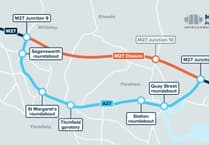
And £122million has been set aside for major repairs, maintenance and improvements to schools and other public spaces. A further ?£109millon has been earmarked for structural maintenance of roads and bridges, with £100million scheduled for integrated transport schemes to improve access to key employment areas, and smaller local projects to improve safety and traffic flow on the roads.
The total includes seven major infrastructure schemes totalling £85million. Final decisions will be ratified by the full council on Thursday, February 16.
Comments
This article has no comments yet. Be the first to leave a comment.