
WAVERLEY council faces an anxious wait to see if it will be capped by the government after agreeing a 6.2 per cent council tax increase.
The increase was forced through this week by ruling Liberal Democrats who rejected Conservative calls for a 4.9 per cent increase to avoid the risk of capping.
Local Government Minister Nick Raynsford has written to Waverley and 64 other councils warning them to keep increases down to "low single figures".
Discussions at Waverley's full council meeting on Tuesday centred on precisely what "low single figures" meant. It has been widely reported to mean five per cent or less, a theory given more credence by comments made by Mr Raynsford in a national newspaper on Wednesday. "I have never said that I will cap every authority over five per cent," he said. "I hope that I will not have to use capping powers extensively."

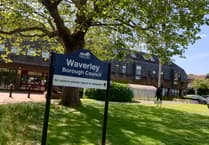


Although the 6.2 per cent increase is far lower than the previously mooted 14 and 7.9 per cent hikes, it failed to satisfy Tories who are worried it will not meet the minister's stipulation.
A Tory motion for a 4.9 per cent increase was backed by all its 23 councillors but voted down by all 27 Lib Dems on Tuesday night.
The Tories are worried that Mr Raynsford will cap the increase and force Waverley to reissue council tax bills, which would cost the council £94,000, according to Tory Richard Gates.
While Lib Dems like Farnham ward councillor Michael Clarke said they would be happy to see off any challenge from Mr Raynsford by inviting him to see how many services the council has to deliver on a limited budget, Tories were not so confident.
The council's Lib Dem leader, Chris Slyfield, said the 6.2 per cent increase was needed to pay for government-ordered services, such as £500,000 for recycling.
But his claims of a £592,000 black hole, left by the Conservatives, were angrily dismissed by Tories. Their leader, David Harmer, said it had been his party's intention to dip into the council's £5.1 million reserves to pay for the increased services to the tune of £600,000, decreasing by £100,000 a year to £300,000 by the end of 2007.