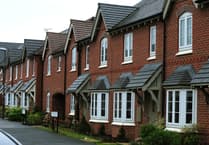
A 10 per cent increase in income from car parking and a drastic cut of around £500,000 in the budget for council house maintenance are among measures on the cards, as Waverley Council contemplates a difficult year ahead financially. No recommendations have yet been made as to the likely rise in Waverley's element of the council tax. But the warning was given to the council's executive that something in the order of RPI (Retail Price Index) at 4.3 per cent would inevitably be needed. As far as council rents are concerned, the government's guideline rent increase is 4.4 per cent. But whatever increase is decided, a sizeable slice will be taken to add to the £10.3 million the government will already be taking from Waverley tenants' rents. Car park income is a significant item in Waverley's budget and an average 10 per cent increase in tariffs will bring in an extra £300,000, the executive heard. Details of how individual car parks will be affected will be discussed by councillors next month. David Inman, the portfolio holder for car parks, said it was a matter of "doing the job we have to do without being unreasonable". He claimed Waverley's parking fees compared favourably with neighbouring boroughs and gave an assurance that Sunday charges were not being considered. Council leader Richard Gates pointed out that there was no increase in car park charges last year, which he referred to as no surprise in the lead up to council elections. There was likely to be no increase next year, so the 10 per cent increase would amount to approximately three per cent compounded, said Mr Gates. The Conservative administration has set the target of eliminating the need to dip into council balances over a four-year period. But even more significant in challenging the council's finances is the level of grant Waverley will receive from the Government. Finance portfolio holder Mike Band said the report to the executive had been prepared against a background of a "really appalling" settlement from the Government. This amounted to a one per cent increase in the grant in the coming year and commitment to half a percent increase in each of the following two years. Turning to the completely separate housing revenue account, Mr Band said that with the large percentage of rents going straight to the Government, significant savings were being forced on the council. "I feel this is a short-term expedient which we have managed to engineer, but it no way solves the long-term problem we have in this area." Housing portfolio holder Pat Frost reiterated an attack she has made previously on the Government for "stealing" tenants' money, adding that the £500,000 cut in homes maintenance would be looked on with horror. And she stressed that she would be very unhappy if the percentage increase in council rents turned out to be any higher than the percentage rise in council tax. The Government's subsidy regime means that Waverley tenants are paying 39 per cent more in subsidy than Woking and 9.5 per cent more than Guildford, each year. Mrs Frost explained: "All councils that own housing stock must operate within the government's subsidy regime. "Costs and allowances for each authority are assessed by the Government based on their housing stock profile. These calculations effectively penalise Waverley's tenants, many of whom are the most vulnerable in our society. "Ministers are currently considering the possibility of the wider reform of the HRA subsidy system. It is possible that reform may allow some authorities to be able to opt out of the subsidy system, but there is currently no timetable for this nor any criteria available for those that may opt out. "I, along with Waverley officers, will be doing all that is in our power to help our tenants, not only by doing what we can for their homes but also by lobbying the Government to change this current system."