
HAMPSHIRE Highways will bring in extra resources to tackle wet winter damage on local roads.
Following the “wettest autumn for 100 years”, the county council has deployed “over 50 repair gangs”, four pothole patching machines and 21 drain cleansing units.
For many motorists this can’t come soon enough with some roads, such as the A339 and A31, in a particularly bad state.




“We have additional highways resources deployed all across the county, who are working hard to keep roads clear of water, debris and damage for all who use them – in order to keep Hampshire moving.
“Our teams are covering a huge range of work, from fixing potholes to cutting back damaged trees on bus routes.”
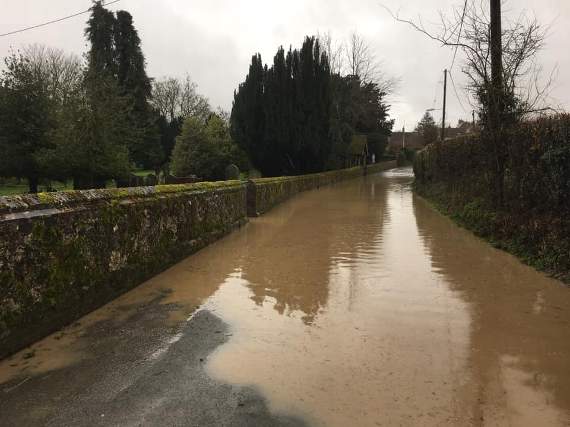
Recent storms have seen an increase in flooding in some trouble spots, which the council hopes to address.
Mr Humby added: “Our extra work includes re-cutting ‘grips’ between roads and ditches in order to clear water from the roads more quickly, jetting clear blocked highway drains and clearing storm debris from culverts.
“We have also brought in additional pothole patching machines and deployed extra ‘find-and-fix’ gangs to repair other defects.”
All of this is in addition to the council’s routine annual highways maintenance work which includes £10 million annual road resurfacing, bridge repair and drainage improvement programmes.
Mr Humby said the situation is “compounded by years of underfunding for highways maintenance by successive governments”.
This has led to a “significant decline in the condition of the local road network” despite the council “trying to plug the funding gap from local resources”.
“The last time flooding hit Hampshire in 2014, it caused an additional £40m worth of damage to our roads, and all the indications are that this winter will have a similar impact,” Mr Humby said.
“The reality is that we can only work with what we have, and we must prioritise.”
Comments
This article has no comments yet. Be the first to leave a comment.