
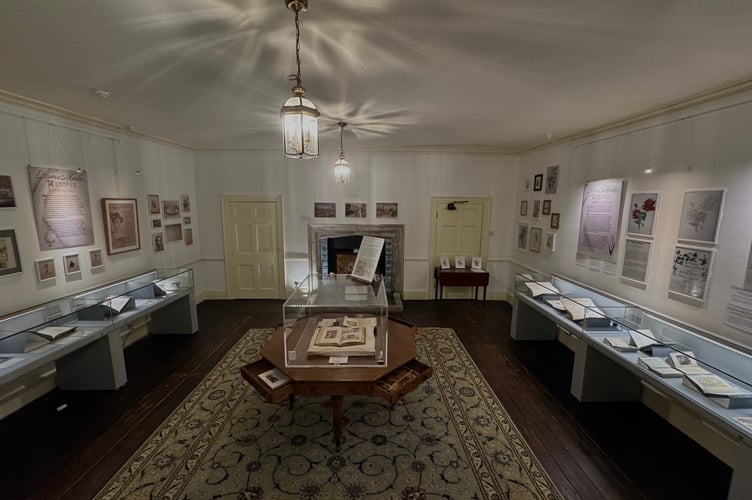
The everyday lives and creativity of women in the 18th and 19th centuries are brought vividly to light in a new exhibition at Chawton House.
HomeMade Histories explores how women recorded their experiences through letters, journals, scrapbooks, cookbooks and artworks. These objects often provide the only surviving traces of their lives.
In official records, most women of the period appear only briefly, in the formal moments of birth, marriage and death.
Yet within the archives of Chawton House, their voices endure in the pages they wrote, illustrated and preserved for family and friends.
Through more than 50 manuscripts and hand-made works - most of them unique - the exhibition reveals a world of creativity, curiosity and connection.
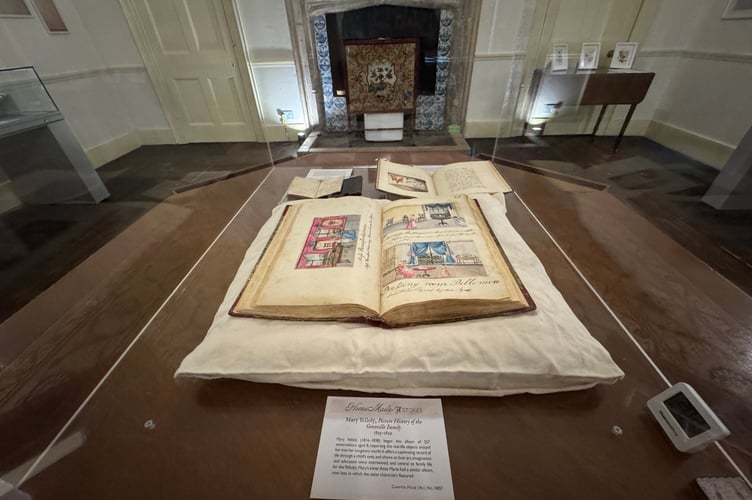
One of the most enchanting objects on display is an illustrated storybook created between the ages of eight and 12 by the talented Mary Yelloly.
Filled with watercolour landscapes and imagined adventures, Mary’s Picture History of the Grenville Family shows a young mind both reflecting and inventing her own world.
Like many of the works in the exhibition, it preserves a voice that might otherwise have disappeared entirely from the historical record.
Curator Kim Simpson said: “The manuscripts in our collection allow us to encounter women speaking in their own voices.
“In letters, journals and scrapbooks we see friendships forming, ideas taking shape and lives being recorded in ways that rarely appear in official histories.”
The exhibition explores the many ways women documented and interpreted their worlds.
Letters reveal lively networks of friendship and intellectual exchange, including networking correspondence that looks modern to our eyes.
Cookbooks compiled by neighbouring households - the Knight family of Chawton House and the Hinton family at the rectory - show how generations of women preserved and adapted culinary knowledge.
Journals provide personal glimpses into travel and daily life, including Margaret Ashington’s honeymoon diary, complete with a witty sketch of fellow tourists encountered on her journey.
Creative practice also flourished in the professional sphere. The scrapbook of Victorian historian Agnes Strickland - best known for her influential 12-volume Queens of England - offers insight into the research and artistic experimentation behind her work.
Botanical illustration guides by Mary Lawrance demonstrate commercial savvy in one of the rare fields in which women’s scientific interests were widely accepted.
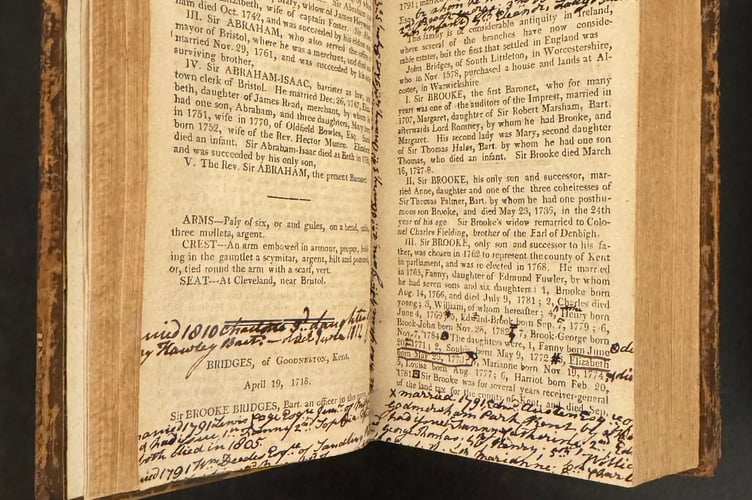
The exhibition also showcases recent research by scholars into the collections which has also uncovered intriguing new stories, including Dr Sophie Coulombeau’s evidence that annotations in the Austen-Knight family copy of The Baronetage may have been written by Fanny Knight - raising the possibility that Jane Austen took one of the most amusing caricatures within Persuasion from an example close to home.
HomeMade Histories is on display in the exhibition rooms at Chawton House and is included with house admission. It runs until September 20.
Comments
This article has no comments yet. Be the first to leave a comment.