
RAIL fares are set to increase by up to 3.2 per cent in January with the cost of a season ticket from Farnham to London set to rise by around £130.
Determined by RPI (Retail Price Index), the figure is below the 3.6 per cent increase to regulated fares seen in January this year - the steepest rise in five years but, rail users argue, continues the trend of fare hikes far outstripping average wage rises.
While rail industry leaders said the fare hike was needed to “underpin once-in-a-generation investment” in the railways, commuters believe the standard of service should warrant a halt to the constant cranking up of fares - a view supported by the Alton Line Users Association (ALUA).
In a statement, the passenger watchdog, which serves the Farnham to Waterloo line, said: “ALUA is strongly of the belief that fares should not be increased at all this year, in view of the very poor service which our railways are currently providing.


“The increase will cause more people to use the roads, increasing congestion and pollution. This is a real cost both to the economy and the environment and affects everyone.
“According to the BBC website on August 15, research has found that the cost of rail travel has increased more than twice as fast as wages since 2008.
“By comparison, fuel duty has not been increased at all for eight years. ALUA is not anti-car but believes that rail passengers are unfairly penalised compared to road users.”
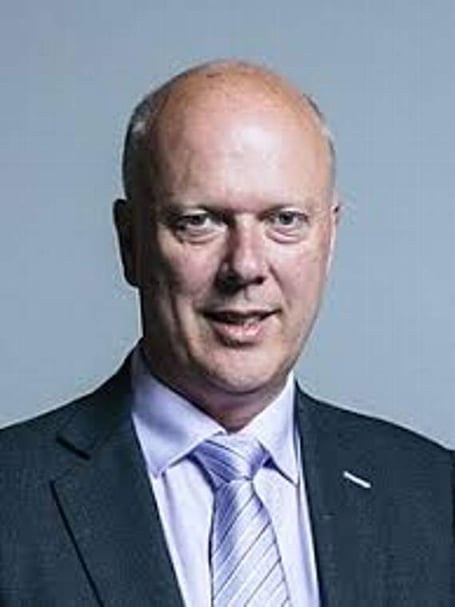
While Transport Minister Chris Grayling had called for future rail fare and wage increases to be based on the lower Consumer Prices Index (CPI), rather than the higher RPI, the RMT union accused him of trying to impose a “pay cap” on its members.
The fury broke after Mr Grayling told the BBC that not only did he want to see “lower levels of increases for passengers in future” but suggested that if the lower inflation measure was used to calculate ticket price increases, then it should be used for costs, including annual pay rises.
RMT head Mick Cash responded: “If Chris Grayling seriously thinks that front-line rail workers are going to pay the price for his gross incompetence and the greed of the private train companies he’s got another thing coming.
“RMT will fight any attempt to impose a pay cap on our members in a drive to protect private train company profits.”
Under the current system the UK Government is responsible for regulating 40 per cent of rail fares, including season tickets, the remaining 60 per cent being set by the train companies. The maximum rise for regulated fares is currently set by July’s RPI, although the Government’s preferred measure of inflation would be CPI, which rose to 2.5 per cent in July.
The 3.2 per cent rise means the cost of a Farnham to London terminals standard class adult season ticket is likely to increase from £4,024 to £4,152.77 in January. But had Mr Grayling been able to use CPI the cost of an annual season ticket from Farnham to London would likely have been £28.17 cheaper (£4,124.60 instead of £4,152.77).
Labour leader Jeremy Corbyn has described the proposed increase in regulated fares as “an insult to everyone who has suffered from the chaos on Britain’s railways”.
Comments
This article has no comments yet. Be the first to leave a comment.