
LOCAL farmers are on cloud nine after European vets voted to lift the UK beef ban - a decision shortly to be enacted by the European Parliament, with exports to resume by the beginning of May. According to Selborne beef farmer, David Ashcroft, it is the best news he has heard in 10 years. "We will be back to trading as it should be!" he told The Herald. Liphook colleague Graham Thompson was in agreement: "We have been waiting for this for 10 years - it is excellent news!" The decision will pave the way for British farmers to recapture lucrative export markets lost when the export of beef and cattle from the UK was banned in 1996 because of the BSE crisis. According to a statement by the South East branch of the National Farmers Union, the unanimous vote by the EC's veterinary science group is regarded as recognition that the British beef industry has met all scientific, veterinary and public health criteria required for the ban to be lifted. NFU SE regional president, Peter Kendall said: "This is the most positive news for the British beef industry in a decade. We can now look forward to recapturing the £675m market that was lost when the ban was put in place. This decision should create competition in the domestic market and provide access to potentially lucrative continental buyers. "Since 1996 we have worked tirelessly in Brussels and Whitehall to gain re-admittance to the common market and this decision recognises that the industry has put in place structures which not only meet but exceed European food safety requirements. We are now back on an even footing with our EU competitors and I believe the quality of the British product will ensure that we begin to recapture our share of sales on the continent as soon as the ban is officially lifted." Chairman of the NFU SE livestock board Graham Thompson pointed out that European beef is fetching 50 to 70 pence more per kilo than British farmers are getting in the UK and that the opening up of the European export market should push the price up at home. While retailers would be bound to transfer at least part of the price increase onto the consumer it should only equate to an increase of around 10 pence a meal for beef which in his opinion, is "second to none". But, he explained, if the British beef market was to remain sustainable, it was essential to compensate farmers for the level of welfare and care they were expected to put into meat production. David Ashcroft agreed. As former Hampshire NFU chairman, he has been extremely high profile in the fight to get the ban lifted, leading protest marches across the country using his South Devon bull, "Baby" to drive home the message that "British beef is best". He also welcomed the opportunity to resume exporting breeding stock.
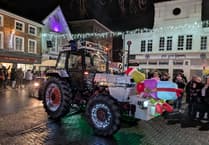 VIDEO: Merry motorcade as thousands around East Hants and Sussex cheer on tractor run
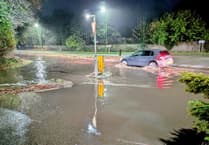 Roads underwater as isolated flooding reported around Herald & Post area
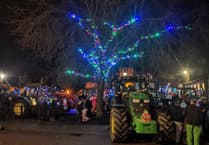 Dazzling Christmas convoy to hit the road as Tractor Run returns to Petersfield area
 Finding winter wonder at Gilbert White’s Eco Light Festival