
A Farnham resident has taken a campaign to Westminster calling for a phase-out of fast-growing chickens dubbed ‘Frankenchickens’ and clearer food labelling.
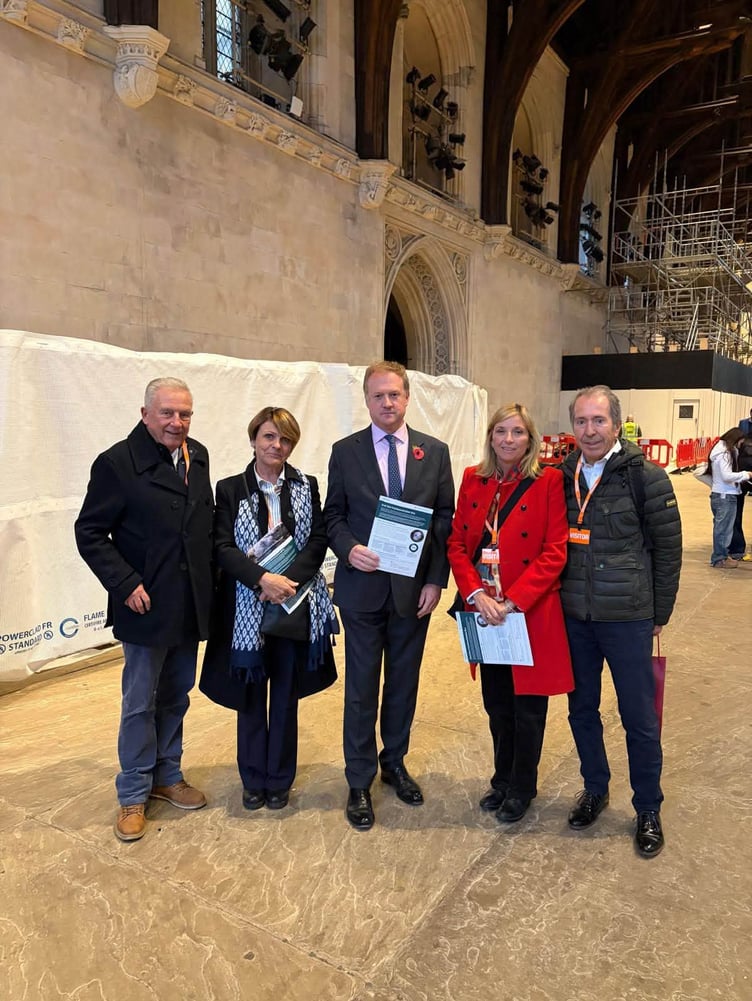
Kate Larmer joined the Humane League UK and UK Voters for Animals at Westminster on November 10, where she met Farnham MP Greg Stafford to raise concerns about the welfare of chickens bred for meat.
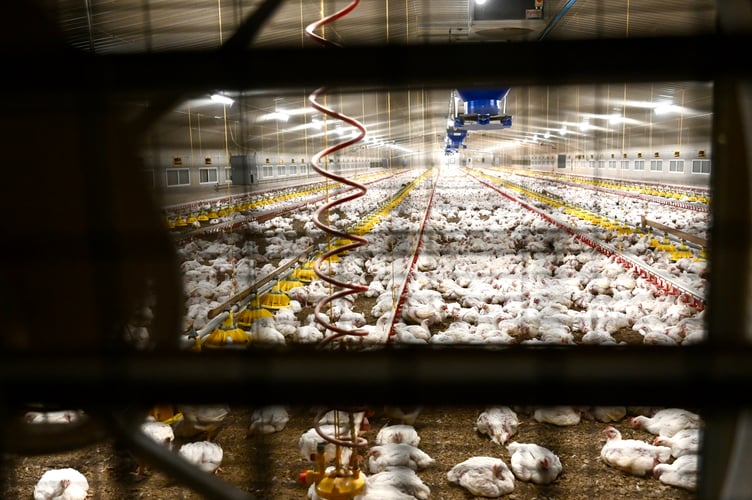
Campaigners say around one billion fast-growing chickens are raised in the UK each year, with birds bred to reach slaughter weight in about 35 days. They say rapid growth can lead to serious welfare problems, including broken legs, burns and heart and lung conditions. Some birds, they say, struggle to stand by the time they are a few weeks old.
Ms Larmer said: “A lot of people don't realise this is even a thing. Because it's really in the shadows, it's hidden. And the businesses don't want people to know about it.”
The campaign is calling on the Government to set a timetable for replacing fast-growing breeds with slower-growing alternatives. It also wants mandatory labels showing how chickens were raised and a commitment to serve meat from slower-growing breeds in publicly funded settings such as schools and hospitals.
Campaigners are also urging supermarkets to sign up to the Better Chicken Commitment, a set of welfare standards for chickens farmed for meat.
Ms Larmer said the Government needed to move beyond voluntary commitments.
“What we need is a commitment from DEFRA, which is time-bound, and a plan. We recognise that chickens like this are not going to disappear overnight. We want them to be replaced with a slow-breed chicken. But what is the plan to get this done?”
She said meat from slower-growing breeds could come from indoor farms as well as free-range or organic farms. She estimated the difference in price could be a matter of pence.



Mr Stafford agreed to table a parliamentary question and write to Defra minister Angela Eagle about the campaign’s demands.
Ms Larmer hopes the campaign will encourage shoppers to ask how the chicken they buy was raised.
Comments
We've recently changed our login process. If you have an account for commenting, you will need to re-register on the login window.
This article has no comments yet. Be the first to leave a comment.