
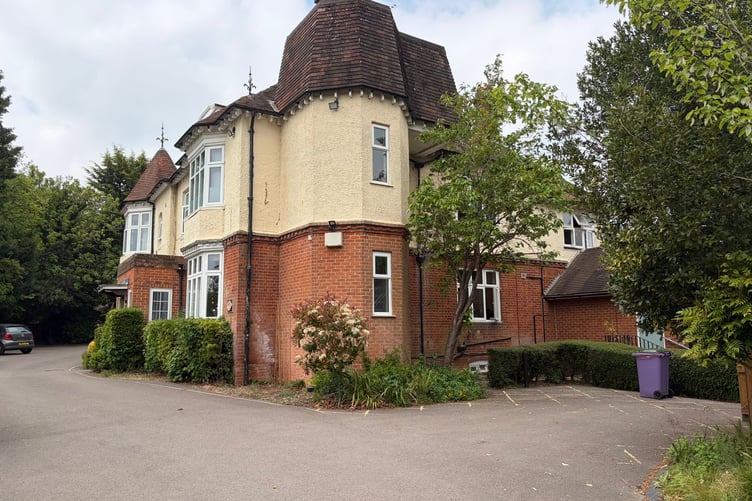
Bells Piece, on Hale Road, was run by disability charity Leonard Cheshire and provided specialist support for adults with learning disabilities and autistic people.
The closure follows a difficult period for the service, which was downgraded to Requires Improvement by the Care Quality Commission (CQC) following an inspection in December 2025.
Inspectors raised concerns about management oversight, cleanliness, medicines procedures and record-keeping, identifying three breaches of regulations.
Leonard Cheshire said the decision to close followed considerable challenges which ultimately could not be overcome.
These included an ageing building which had become increasingly unsuitable for some residents as they grew older, alongside changing expectations of learning disability services since Bells Piece opened in 1980.
A spokesperson for Leonard Cheshire said: “Our priority throughout has been to support residents and their families sensitively, and we have worked closely with them, local authorities and funders to help people identify the options that best met their individual needs.”
The charity said the service would leave a proud legacy in Farnham of supporting disabled people to live more independently.
Cllr Catherine Powell, who represents Farnham North on West Surrey Council, said: “I am very upset that Leonard Cheshire has closed Bells Piece, which had many long-term residents who have now been uprooted.”
“However, the most recent CQC report included this statement that it is ‘not possible to deliver sustainable improvements to required standards’.




“I understand that the site is owned by Surrey County Council and was on a long-term lease to Leonard Cheshire.
“I therefore hope that when the land is transferred to West Surrey, the administration will look to use the site for council-operated provision for adults with learning difficulties and long-term care needs, as the closure of this site has simply increased the gap in provision that already existed.”
Comments
We've recently changed our login process. If you have an account for commenting, you will need to re-register on the login window.
This article has no comments yet. Be the first to leave a comment.