
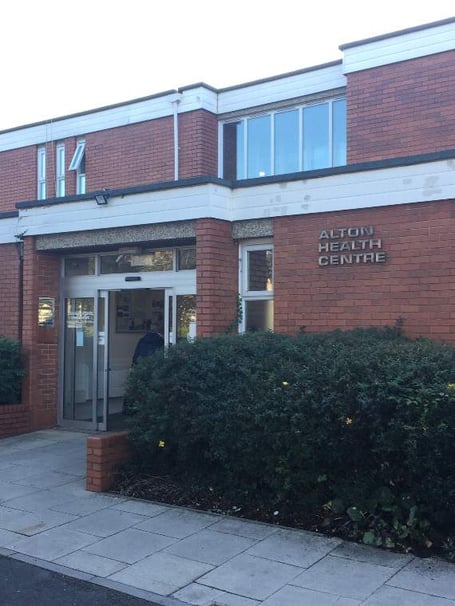
THE NHS turned 70 last year, and with it came the launch of a long-term plan for future service provision which, at grassroots level, is seeing the formation of primary care networks (PCN), bringing GP practices together to work at scale.
A policy priority, the aim is to improve the ability of practices to recruit and retain staff, to manage financial and estates pressures, to provide a wider range of services to patients, and to more easily integrate with the wider health and care system.
Since July, all but a handful of GP practices in England have come together in around 1,300 geographical networks covering populations of approximately 30,000 to 50,000 patients. And it is attracting more NHS funding to support additional service provision.



According to one source, already working together to provide shared services is “a real game changer” with practices able to access services they would be unable to provide individually, to the benefit of staff and patients.
They already offer shared out-of-hours patient appointments from 6.30pm to 8pm on weekdays and 8am to 10am on Saturdays, and buy into an NHS service, from 9am to midday at North Hampshire Hospital in Basingstoke on a Sunday.
They have a shared clinical pharmacist on board to support GPs with any drugs and medicine-related issues, and a physiotherapist who is reducing the time it takes to get specialist musculoskeletal advice.
The aim is also to employ a shared first responder, to help in emergencies, and a social prescriber who will be able to signpost patients who may not necessarily require medical attention to appropriate non-medical services and provide support in accessing them.
Leading the A31 primary care network is clinical director Dr Natalie Smith, a GP at Bentley Village Surgery, who said: “At the moment your GP is probably your first point of call when you have a health concern, but the system is starting to struggle with this as life expectancies increase and we treat more long-term conditions than ever before.
“At times it can be hard to see your GP or get the right advice, so we need to think again about how we make it work for you.
“All practices are being supported to form networks with their neighbours so they can share staff and resources, enabling them to deliver extra services that they’d never have been able to while working alone.”
Comments
This article has no comments yet. Be the first to leave a comment.