
THE HUNTER Centre, Haslemere, and NaturBalance are both in the business of care. We provide care outside of the home for those with dementia as well as providing their carers with some much needed respite.
NaturBalance, working alongside The Hunter Centre, provides nutritional and lifestyle care for all in the community.
During this difficult time of change, when we can no longer offer the hands-on care we do, we want to bring our joint expertise to our local community, through the pages of the Herald newspaper.
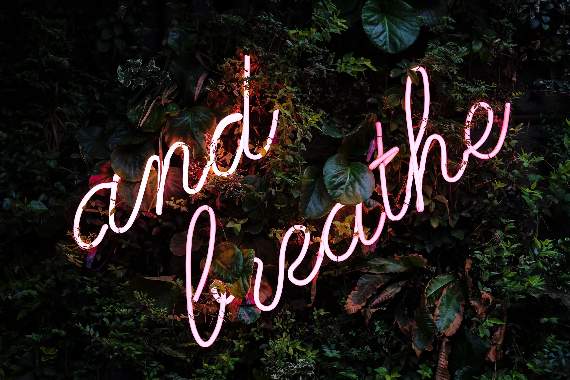
Every week, in this column, we will offer some useful ideas to help you at home – not only carers and those with dementia, but our community in general. This first week, our topic is breathing and relaxation.




BREATHING AND RELAXATION AT HOME
We want to share some top points about breathing and relaxation. We all face moments of anxiety, stress, anger, sadness... just to mention only some of the emotions that can affect our daily life and environment.
Our mental and physical well-being depends greatly on our breathing; this function constantly converts our life-sustaining energy, taking in oxygen, invigorating red blood cells and expelling waste.
By breathing deeply, you allow the diaphragm to drop downward, the rib cage to expand and create more space for the lungs to inflate.
By mastering the art of deep breathing, increased oxygen floods into the body, eventually helping the heart pace to slow down to create feelings of calmness and relaxation.
Breathing is a gift we all have, and most of us take it for granted. Here are some facts and wonderful benefits we have if we make the best of our breath – plus some breathing techniques you can start doing at home, enjoy them!
* Breath increases energy;
* Influences a good sleep and regulates sleep patterns;
* Calms the nervous system and reduces anxiety;
* Improves the respiratory system, it opens up the chest and releases tension;
* Deep breathing can play an important role in protecting the body from bacteria, viruses and other threats to our health, it strengthens the lymphatic system;
* Releases muscle tension and minimises pain;
* The cardiovascular system improves, increasing circulation to the heart, liver, brain and reproductive organs, as well as the digestive system, encouraging intestinal action and overall digestion;
* It can help us overcome addictive patterns of behaviour and eating disorders, as well as igniting creativity and passion, it keeps the aging process controlled and we look younger;
* The quality of our breath helps to relax the mind and enhance the ability to learn, focus, concentrate and memorize, gives more focus and mental clarity.
4-4-6 BREATHING
Start the day with this breathing in bed after a whole glass of water to rehydrate you after the sleep; and practise it any time during the day and especially when in bed ready for a good sleep:
Close your eyes and breathe in, filling your belly and diaphragm with air for four seconds.
Hold your breath for four seconds.
Exhale slowly (imagine getting rid of a worry or negative emotion if that is the case)for six seconds.
Breathe in again, this time imagining a positive emotion or situation, for four seconds, hold for four seconds and exhale for six seconds.
Repeat the cycle up to five times
4-7-8 BREATHING
To use the 4-7-8 technique, focus on the following breathing pattern:
* Empty the lungs of air;
* Breathe in quietly through the nose for four seconds;
* Hold the breath for a count of seven seconds;
* Exhale forcefully through the mouth, pursing the lips and making a “whoosh” sound, for eight seconds;
* Repeat the cycle up to four times.
EXERCISE: DIAPHRAGMATIC BREATHING
Lie on the floor on your back with legs comfortably spread and your arms relaxed alongside the body.
Place both hands on your lower abdominals, just below your rib cage.
Focus on the inhale and exhale and notice the rise of the inhale and the fall of the exhale. Breathing in through your nose, your belly rises, and breathing out through your nose, the belly comes down. Allow for a pause between each breath.
Imagine, as you inhale, there is a balloon inside, or a ball of light expanding with each breath. This is a deep diaphragmatic breath.
If you are having difficulties feeling the breath in your belly, then you can try this:
Find a heavy book or a large bag of rice. Place this on your belly and put your hands on top.
Now as you inhale, gently push the weighty object into your hands and keep it there as you breathe in and out.
* The Hunter Centre is in Marjorie Gray Hall, Grayswood Road, Haslemere, GU27 2BW. Email [email protected] or see www.thehuntercentre.co.uk
For NaturBalance by Claudia call Claudia Vargas on 01428 651015, email [email protected] or see www.naturbalance.co.uk
Comments
This article has no comments yet. Be the first to leave a comment.