
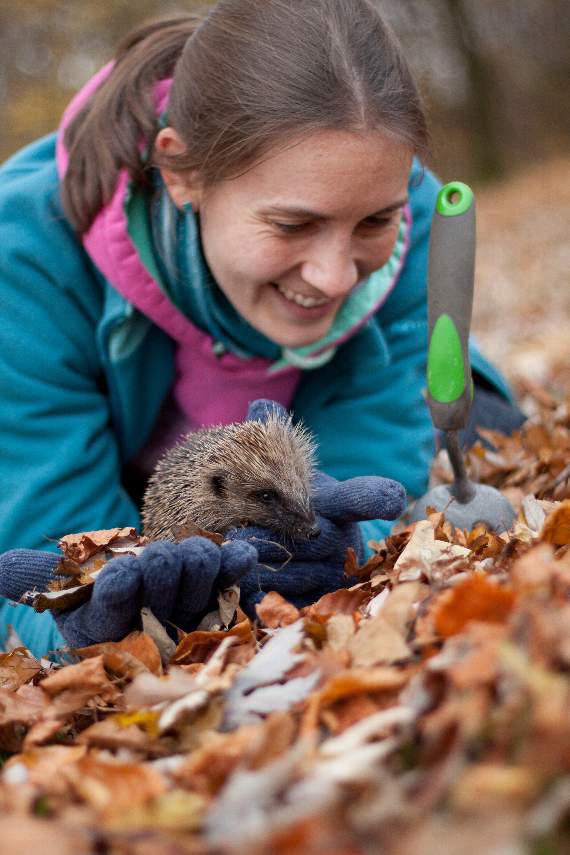
AS Guy Fawkes’ night approaches, wildlife charities in Surrey are reminding people to check for hedgehogs when building bonfires.
Dark nights and chilly mornings herald the beginning of hibernation season for hedgehogs, and piles of dry leaves and unlit bonfires in back gardens are ideal places for sleepy hogs looking for somewhere to spend the winter months.
“A stack of dry wood and leaves piled up for a bonfire might look to a hedgehog like the perfect place to overwinter and sadly we fear many animals do perish in fires every year,” said Dawn Fielding, the Surrey Wildlife Trust’s wildlife gardening officer.
“Gardeners love these adorable prickly creatures, as they eat bugs and slugs and are great for natural pest control. But hedgehogs are already in trouble - they’re disappearing from our landscape as fast as tigers are worldwide.




“In the last 10 years hedgehog numbers have fallen by 30 per cent and there are thought to be fewer than a million left in the UK – so looking out for hedgehogs on bonfire night is vital if they are to live and thrive in our county.”
Tarnya Knight from the Surrey-based Born Free Foundation added: “Hedgehog numbers are declining rapidly across the UK, so it’s never been more important to protect the wonderful wildlife on our doorsteps.
“Hedgehogs can die or suffer terrible injuries through contact with bonfires, so we’re asking people to be especially vigilant and take care when building them.”
Tips for a hedgehog-friendly fire include:
• Build your bonfire on the day it will be lit, putting the pile of material next to the bonfire site and rebuilding before lighting it if necessary. This will give small creatures less chance to move in.
• Build the bonfire on clear ground, never on top of a pile of leaves or near to a pampas grass.
• If you are unable build the fire on the day of lighting, use a broom handle to check the bonfire by gently lifting section by section and using a torch to look and listen for hedgehogs.
• If a bonfire has to be built in advance, prevent hedgehogs from getting in by putting chicken wire one metre high all the way around the bottom. This should be held in place with stakes and the wire should slope outwards at an angle to make it difficult to climb, as hedgehogs are good climbers!
• If you do find a hedgehog in your unlit bonfire, place it in a box with some leaves or shredded paper, with some water and meaty cat or dog food, and place it in a shed where it can be left in the quiet until the fireworks have finished and the bonfire dampened down.
The declining quality of hedgerows, over-management of parks and the loss of gardens to paving and decking have been partly to blame for the hedgehog’s decline. The increased use of chemicals in gardening and farming means there are fewer insects, slugs and snails for hedgehogs to eat.
Adult hedgehogs travel up to two kilometres a night hunting for food and they need to be able to move between gardens and green spaces. Gardeners can help them by cutting a hedgehog-sized hole in their garden fence, to allow these prickly visitors to come and go.
Or people can build their own hedgehog house out of a wooden box or pile of logs or sticks with some warm dry straw or leaves inside. This will provide a safe home for any small mammals.
The Surrey Wildlife Trust is working to conserve and create habitat for hedgehogs with its new ‘Hedgerow Heroes’ project and needs volunteers to help survey, monitor, conserve and plant hedgerows across the county. To get involved visit the website surrey
wildlifetrust.org/hedgerowheroes.
For more information about the Born Free Foundation, and its work with UK wildlife, visit www.bornfree.org.uk/cam
paigns/uk-wildlife.
(Photos: Tom Marshall)
Comments
This article has no comments yet. Be the first to leave a comment.