
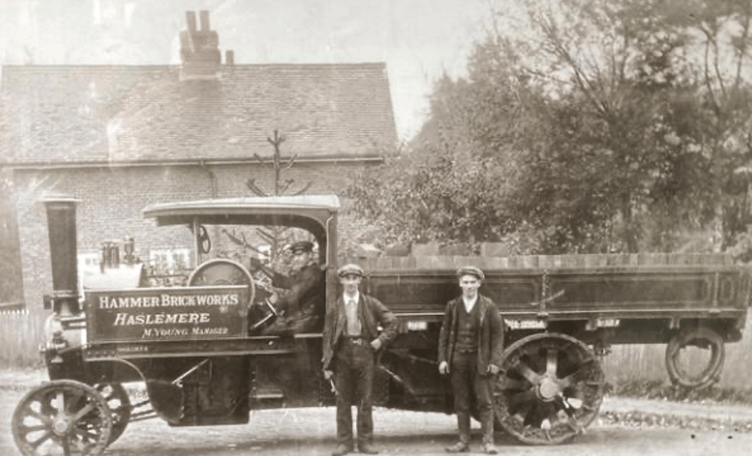
A 100ft chimney once towered over the hamlet of Hammer Vale as a thriving brickworks helped provide the building blocks for Haslemere's rapid expansion.
The long-lost Hammer Brick and Tile Works, which had its own narrow-gauge railway and used clay dug from what is now a Weyhill car park, has been brought back to life in new research by the Hammer Vale Preservation Society.
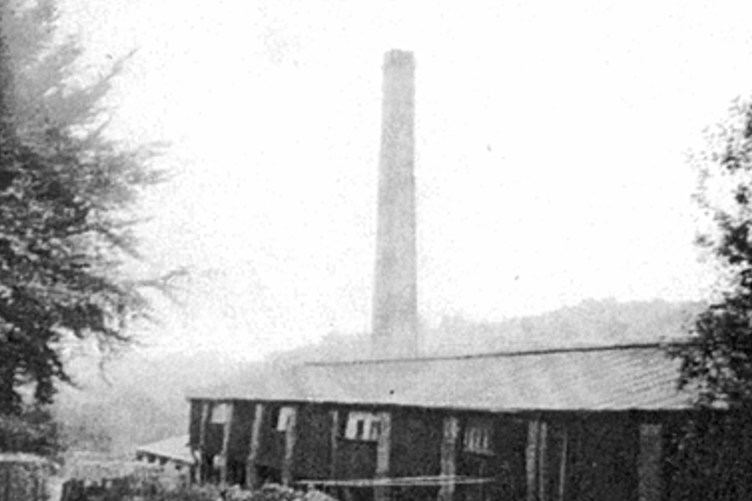
Old photographs, maps and historical records tell the story of an industry which employed generations of local families before disappearing in the 1930s.
Hammer Vale had already enjoyed an industrial past, playing a part in the Wealden iron industry between the 16th and 18th centuries.
But after a quieter period, the arrival of the railway in Haslemere on New Year's Day 1859 helped transform the fortunes of the area once again.
The new connection with London brought visitors pouring into Haslemere and Hindhead, which became fashionable destinations for people seeking fresh country air.
This was an era when tuberculosis remained a major killer and escaping the polluted air of the capital for supposedly healthier surroundings had considerable appeal.
Hotels, shops, tearooms and other businesses followed, while Haslemere's population increased from around 1,000 to 4,000 in just 40 years.

.png?width=209&height=140&crop=209:145,smart&quality=75)
All those new residents, visitors and businesses needed somewhere to live, stay and work – creating a growing demand for bricks and other building materials.
The Hammer Brick and Tile Works occupied land between the railway, River Wey and Copse Road, close to today's recreation ground.
Clay initially came from Clay Hill, the former name for part of Weyhill.
The quarry occupied land now used as a car park opposite Christopher's Green, while nearby Clay Hill House provides a reminder of the area's industrial past.
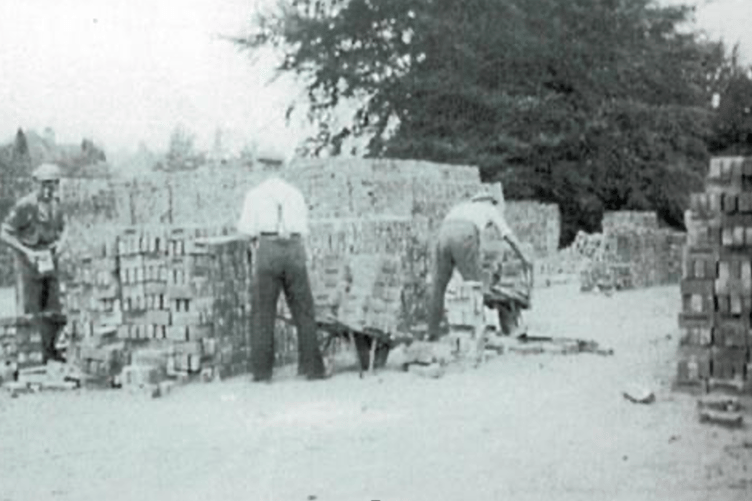
Two different types of clay were put to work. Blue clay was used to make tiles, while rust-coloured clay produced bricks.
The raw material was transported to Hammer, where coal-fired kilns could operate around the clock and boilers generated steam for the drying sheds.
Dominating everything was the brickworks' distinctive 100ft chimney, which became a landmark for people living in the surrounding area.
The works even had its own narrow-gauge railway, or tramway, to move materials around the site.
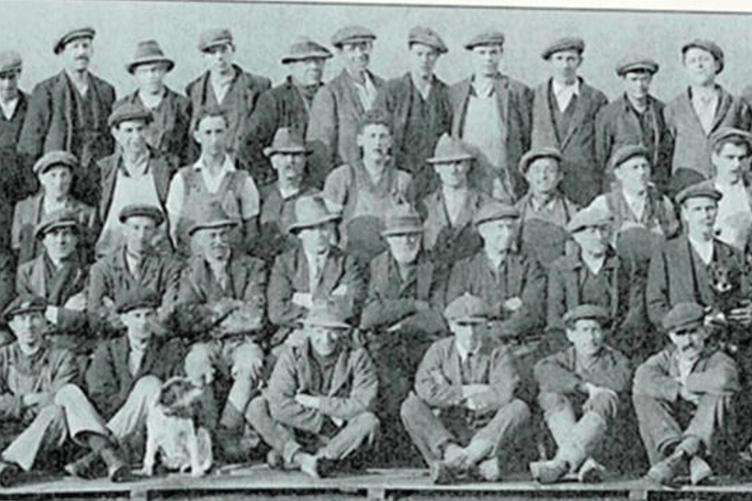
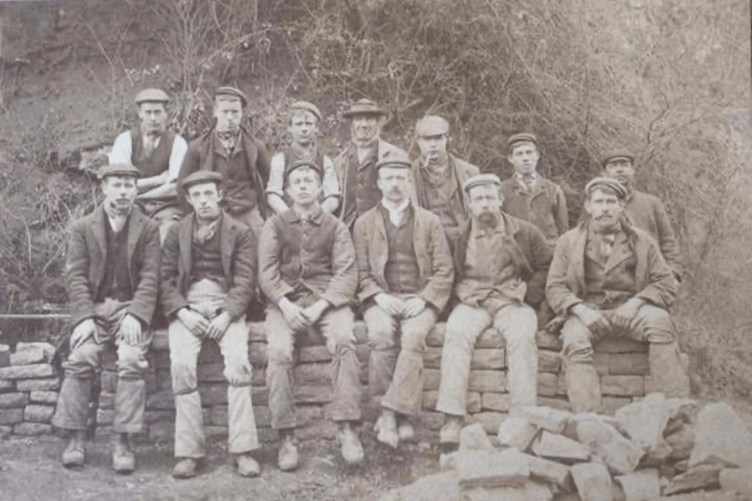
Old photographs collected by the Preservation Society provide a glimpse into this vanished industrial landscape, showing workers gathered around the kilns and alongside the steam-powered vehicles used by the company.
Life at the brickworks could be hard – and sometimes dangerous.
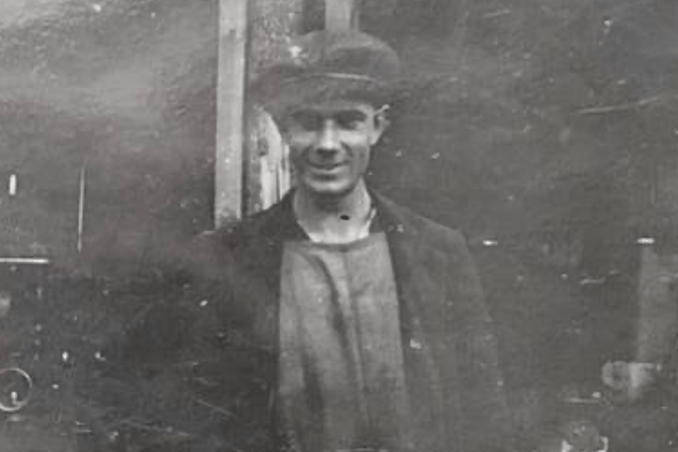
In 1905, 42-year-old Arthur Moorey was working in a clay pit more than 50ft deep when he was struck by a large lump of falling clay.
His spine was fractured and he died several days later.
The Moorey name appears repeatedly among families associated with the works, while many other surnames in the old photographs remain familiar around the Haslemere area today.
The brickworks also played an unusual role during the First World War.
Women from Hammer Vale did washing for Canadian soldiers stationed at Bramshott and were reportedly given permission to use the heated space above the kiln to dry their clothes.
Central to the later development of the works was John Grover, a wealthy developer who retired to Hindhead in the 1890s after a successful career in London.
Born in Clerkenwell in 1835, Grover moved to Heatherbank in Tower Road at the age of 60 and put his considerable wealth and development experience into his new home area.
He developed the Hammer brickworks, providing employment while also securing a ready supply of locally produced bricks for his extensive building programme.
His legacy can still be seen around Hindhead today.
Grover built the Moorlands Hotel in 1895, as well as houses in Wood Road and Tower Road, and used his own money to fund churches in the area.
Moorlands was built as a luxury hotel during Hindhead's heyday as a fashionable resort, attracting wealthy visitors to enjoy the area's countryside and air.
It later had a very different existence, being requisitioned during the Second World War before becoming a Lloyds Bank training centre in the 1950s. The building subsequently passed to British Car Auctions and was eventually converted into a care home.
At Hammer, Grover built a Congregational church for his workers in the early 1900s.
Known locally as the Mission Room, it stood close to the railway and brickworks and can be seen in historic photographs of the site. It survived long after the works themselves before being demolished in 1964.
Grover died in 1913, but his name survives at Grover's Gardens in Wood Road, Hindhead.
The gardens were presented by his trustees to the then Haslemere Urban District Council in 1934 to be maintained as a place of “rest and enjoyment” for local people.
They eventually passed to Waverley Borough Council before returning to Haslemere Town Council in 2021.
There is another intriguing connection with Britain's social history.
Grover's former home later became the residence of Marie Stopes, the author and campaigner who became one of the best-known figures in the birth-control movement of the early 20th century.
The brickworks continued producing the materials which helped transform the surrounding area until closing in the 1930s.
Its towering chimney disappeared soon afterwards.
One local story suggests it was deliberately demolished as the Second World War approached because there were fears it could provide German aircraft with a convenient navigational landmark.
The theory was that enemy pilots could find the conspicuous chimney beside the main railway and follow the line south towards the strategically important naval base at Portsmouth.
Whether that was genuinely behind the decision has never been established, but the chimney, kilns and little railway eventually disappeared from the Hammer Vale landscape.
The people and products of the works have proved rather more enduring.
Bricks bearing the names “Hammer” and “Grover” can still be found around the district more than eight decades after the brickworks closed.
The Preservation Society has also collected photographs showing groups of workers posing at the works, beside the kilns and with the steam traction engines which once served the site.
Those pictures have helped reconnect present-day families with Hammer Vale's industrial past.
When they have been shown to people living around Hammer, the society says descendants have recognised relatives who worked there more than a century ago.
The factories, railway tracks and 100ft chimney may have vanished, but pieces of the industry which helped build modern Haslemere are quite literally still embedded in the community.
Comments
This article has no comments yet. Be the first to leave a comment.