
You may not recognise the name, but the world owes a big “thank you” to Henryk Zygalski.
The mathematician and cryptologist was part of a Polish trio which broke the Enigma code and shortened the Second World War by two years.
But his genius was largely hidden from history, dying at the relatively young age of 70 in Liss in 1978.
Henryk is now finally getting the recognition he deserves with the former Bletchley Park supremo posthumously being given one of Poland’s highest hours.
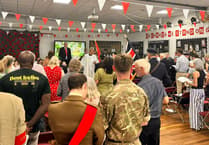
And Liss is learning more with the first of two plaques dedicated to the village’s “most famous resident” being unveiled on Saturday at the Royal British Legion club.
Relatives of Henryk and a delegation from the Polish Embassy attended the unveiling, which followed a presentation by Paul McCue, local resident and executive trustee of Secret WWII.
Poznan-born Henryk excelled at maths, physics and algebra as a student before attending a cryptology course with the encouragement of the Polish intelligence. Only the 20 best students were chosen, while they also had to be German-speaking, loyal to Poland and “meticulous, patient and ordered”.
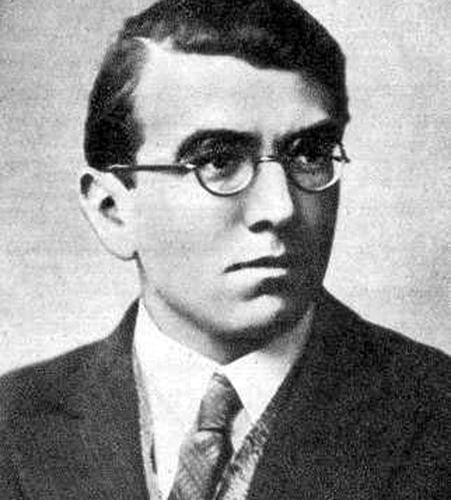
Henryk was chosen alongside fellow heroes in-waiting Jerzy Rozycki and Marian Rejewski. Poland had monitored German and Russian coded radio messages from at least 1918 onwards, with the trio later working together at the Polish Cipher Bureau in Poznan.
They worked on cracking the Enigma machines, used from around 1919 onwards, that became the coding method for the German Navy and its infamous U-boats.
Henryk played a key part, designing the perforated “Zygalski” sheets, a manual device for finding Enigma settings. The trio were part of an XYZ network of Paris, London and Warsaw which shared intelligence on the Germans, and often each other.
Their time in Poland was cut short by the German invasion with the trio alternating between bases in France and Algeria. Rozycki sadly drowned when his ship sank in heavy seas, while Zygalski and Rejewski later joined the Bletchley Park team after escaping to Britain via France, Spain and Portugal.
Rejewski later returned to Poland while Zygalski fell in love with future wife Bertha Blofield and stayed in the UK, teaching at Battersea Polytechnic and retiring to Farther Common in Hill Brow.
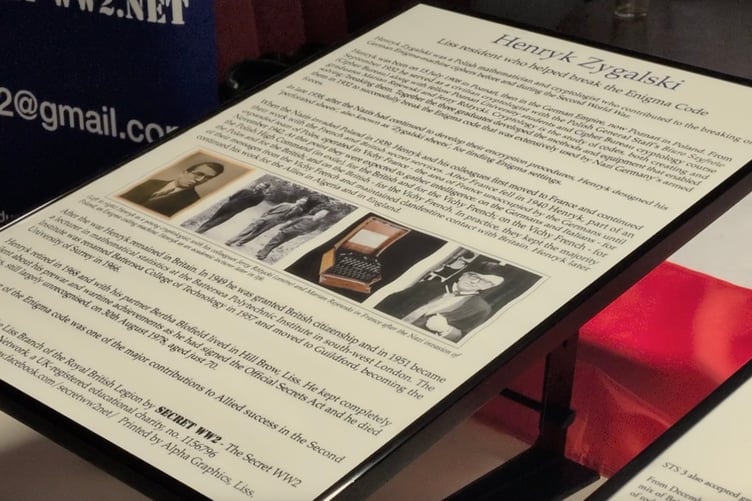
While the work of the Bletchey Park team is now the stuff of legend, the focus on Alan Turing – who invented the computer that sped up decryption – has overshadowed the Polish contribution with their work being equally, if not more, important.
Their work only started coming to light in during the 70s after a French intelligence chief released his memoir, with Zygalski receiving little fanfare before his death.
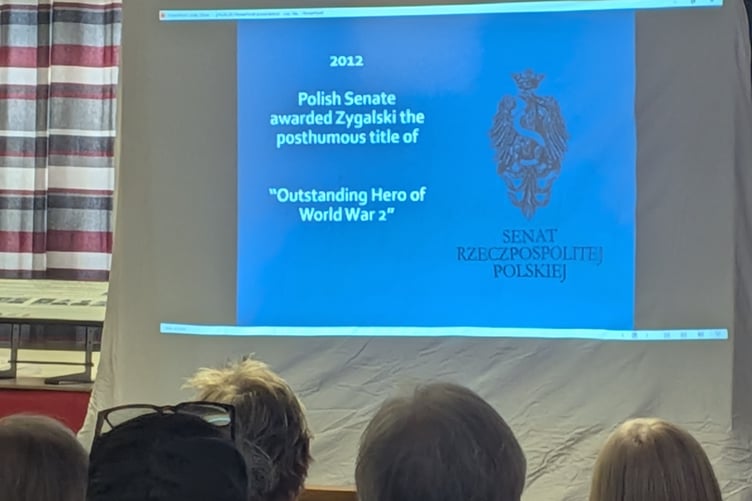
That’s now changing with Zygalski being posthumously awarded the Grand Cross of the Order of Polonia in 2000 and “Outstanding Hero of WWII” by the Polish Senate in 2012. There are also plans to erect a statue and name a lecture hall at the University of Surrey, where he taught.
It's a shame he wasn’t there to hear the applause when two relatives pulled down the Polish flag to unveil the plaque in a packed Liss RBL on Saturday.
His nephew, Jeremy Russell, called his uncle a “wonderful person” adding: “He was humorous, loving and always very supportive.
“I hope what’s being broadcasted now will eventually lead to his name and the two others getting their correct place in the history books.”
The unveiling and presentation was part of a special Armed Forces Day event at the club which included a fun day and Chinook fly-past. Chairman, Frank Smyth, urged guests to “watch this place” before thanking Liss Parish Council for funding.
He said: “This is the first phase as we’re going to put up another plaque in the village, and we’ll work with the parish council to find the right location.
“We’re very proud of our heritage and connection with the Polish community, and we want to explore that further.”
Comments
We've recently changed our login process. If you have an account for commenting, you will need to re-register on the login window.
This article has no comments yet. Be the first to leave a comment.