
AS the national polls put the remain and leave outcomes in the EU referendum virtually neck and neck this week, shoppers at Bordon’s Forest Centre showed a clear preference for Brexit.
Out of 20 passers-by surveyed last Friday afternoon, 15 said they intended to vote for Brexit in the June 23 referendum, two said they would vote for Britain to remain in the EU and three were undecided.
However, the survey cannot be described as representative of the town as a whole because it was conducted in just one location - the Forest Centre forecourt - over just one hour, between 2.45pm and 3.45pm - and the age demographic of the passers-by surveyed was predominantly over 40 when research has shown that, nationally, support for staying in the EU is strongest among the 18 to 34 age group. However, only half of this younger age group have said they plan to vote.
There are also residents in the Bordon area who have, in the past, spoken to the Bordon Herald of their support for immigration.


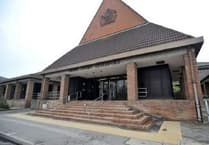

Nevertheless, 75 per cent of those surveyed saying they intended to vote leave was a significant result.
According to the latest national poll (by ICM on Sunday), the percentage of those intending to vote out of the EU stood at 48 per cent this week, compared to 43 per cent in favour of remaining and nine per cent undecided.
Nearly all of the 15 Forest Centre Brexiters cited immigration, including the migrant crisis in Europe, as the reason they would like to see Britain quit the EU. Other reasons given were sovereignty and having to pay money into the EU pot.
A week after it was announced that net migration to the UK had risen to 333,000 in 2015 (of which 184,000 people came from the EU), Jane Davies, 44, from Bordon, said she intended to vote out because: “We can’t be taking in this number of people constantly - there has to be a limit. We have to control our own borders.”
Another backdrop is the migrant crisis, with more than one million migrants and refugees having crossed into Europe by sea and land in 2015, with German Chancellor Angela Merkel’s welcoming stance blamed by some for exacerbating the number.
Brexiter Michelle Lassiter, 65, who works in Bordon, said: “The immigration issue worries me, and how it affects the youngsters with regards to housing, schools and employment prospects, and the hospitals.”
NHS worker Lou, 42, who did give her surname, also cited the impact of current levels of immigration on services as her reason for voting out. “I think the amount of money we are paying into the EU could be spent here on the NHS,” the Bordon resident said. “I am an NHS worker and there is a lot of pressure on the NHS with people coming into the country.
“I am not necessarily against working people coming in and earning a wage, but I think there is a big drain on resources.”
Steve Hack, 50, who cited immigration as a reason he intended to vote out, added: “We will be saving a lot of money by not being in. I do not think they (EU) will stop trading with us.”
Town resident and Brexiter Hazel Lloyd, 80, said: “Just after the war we were alright by ourselves. It (Brexit) will be a bit uncertain at first but I think we will be alright.”
But Timothy Tyler, 60, from Haslemere, said “nobody can give me a good enough reason” for leaving the EU. “That is a big worry,” he added. “It is a Tory party agenda, which is also a big worry. My children are all going to vote in, and it is not going to affect me as much as them.”
Tesco worker Chloe Carr, 23, from Portsmouth, was the second person surveyed who intended to vote to remain in the EU, citing concerns about losing visa-free travel on the continent.
Former Conservative Party leader and remainer William Hague told BBC Radio 4’s Today programme on Wednesday that voters should be guided not by immigration but by the economy. And East Hampshire MP Damian Hinds last week warned that a Brexit vote could have an adverse effect on the £1bn town redevelopment.
“The widely projected negative impact of a Brexit on the economy overall would be unwelcome for developers, investors and other businesses,” he said. “Many of the businesses that can be attracted to Whitehill and Bordon would also benefit greatly from the UK remaining part of the EU in terms of export potential.”
But not one of the 20 people the Bordon Herald spoke to mentioned the town redevelopment.
But Bordon businessman Danny Maines and Standford architect Jack Warshaw spoke, in February, in support of immigration.
Autodan car-garage owner Mr Maines said: “It is a myth that Britain has run out of space - 98 per cent of Britain, according to a recent BBC study, is in its natural state. Migrants seem to be being portrayed as an economic drain on this country. My experience of any migrant I have met is different to that, with every one being hard working.”
Musician Mr Warshaw, who has written a song about migration, said: “We benefit from a long, enviable history of ethnic migration, and mixing, to and from continental Europe and elsewhere. We are enriched by that, just as our citizens enrich other places where they settle and work.”
Comments
This article has no comments yet. Be the first to leave a comment.