
This was revealed in performance-related report presented to West Surrey Health Authority last week.
The report conicides with claims by MP Virginia Bottomley that there is a "growing health crisis" in Surrey.
"Healthcare across our region is in meltdown," declared Mrs Bottomley.



"How bad does the situation have to get before this government acts to end this impending NHS disaster?"
Among other figures to come out of the list of the comparative performance is that west Surrey comes 29th from the bottom of the list for cancelled operations on the day.
But there is some good news in the league table - for emergency admission of elderly patients the authority is fifth best, sixth best for mortality rates, third best for coronary heart disease and 13th best for cancer care.
Mrs Bottomley has claimed that a lack of resources for residential and nursing homes meant that the most vulnerable are suffering unnecessarily and hospital beds are blocked.
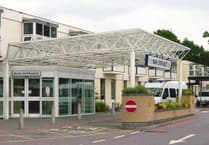
"Waiting times at the accident and emergency department at the Royal Surrey County Hospital are so bad due to bed-blocking that one of their own staff confirmed that patients would be better off going to Frimley Park," she claimed.
"Along with the Royal Surrey County Hospital reporting some of the longest A&E waits in the country, the government has piled on added concern by putting our ambulance service in jeopardy with the proposed merger with Hampshire."
In the report to The West Surrey NHS Health Authority by David Smith, the health authority's director of performance development, members of the WSHA heard last month that delays in discharging patients accounted for 181 people staying in beds longer than they needed to.
Total numbers on waiting lists for inpatient and day case treatment have fallen to 14,536 but the number of patients waiting over 12 and 15 months has increased to 1,522 and 426 respectively during April and May.
"Delayed discharges are bad for patients, exposing them to hospital acquired infections and delaying their rehabilitation. They also block the health care system making it more difficult for other patients to get into hospital when they need to. The knock-on effects are long waits in A&E and cancelled operations," said Mr Smith in his report.
And he warned that action aimed a reducing the numbers to manageable levels should include a recognition that more money was needed, in addition to the £650,000 already pumped into the system.