
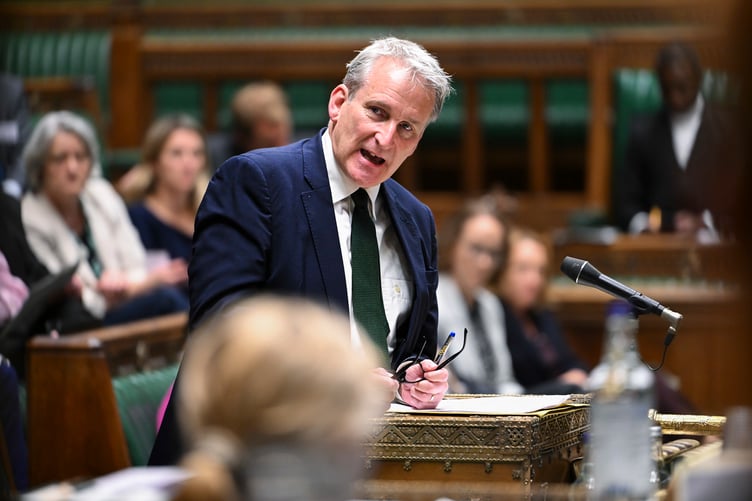
Andy Burnham arrived in Number 10 with people knowing little about his policy intentions.
A couple of the Cabinet appointments looked carefully judged to try to reassure.
The appointment of Chancellor John Healey, who had recently resigned over defence spending, would indicate that the Prime Minister has signed up to fulfilling needed defence commitments.
Putting Pat McFadden back into Work & Pensions maybe suggests Andy is serious about reining in welfare spending. That is needed, not least to afford the defence spending.
But then ensued a remarkable pace of policy announcements, stated intentions and hints – all of them with big price tags but perhaps lacking a credible accompanying plan for how you pay for them.
There is nothing wrong per se with the first two actual policies. Indeed I could hardly say there was, since the £2 bus fare cap and VAT off energy bills while prices are so high were both things my party had been calling for.
It is the other side of the ledger that is the problem.
In my opinion, it took a matter of hours for the energy VAT plan to unravel. It was said to be funded by stopping the Digital ID Cards plan. But the Digital ID Cards plan itself wasn’t actually funded (one of many reasons I opposed the plan, and welcome its demise).
But that was only the start of it.
Mr Burnham has also talked about raising the income tax threshold – every £100 you increase that by costs the Exchequer £1 billion.



I welcome a focus on social care, but you can’t ignore that the sorts of changes Andy Burnham has hinted at here have enormous cost implications.
We hear also that he has an eye on increases in foreign aid, more money to mayors, a massive council house building programme, nationalisations, and plenty more.
People may well like the sound of some or all of these things. But what we haven’t heard much sound about is where the money comes from.
This is why Mr Burnham’s new neighbour in Number 11 is faced with a massive problem – expectations have been raised in multiple areas, and somehow he has to figure out how to finance it.
The truth is the financial situation is very tight – even with the ‘flexibilities’ in the fiscal rules Mr Burnham ominously talks about.
Andy Burnham is an experienced politician. It is not at all clear to me why he would announce or hint so many positive things upfront in short order, knowing (presumably) that a counter-balancing series of bad-news announcements must come down the line.
I would have preferred his very first announcements were on growing the economy and strengthening the finances – controlling spending and helping more people, especially young people, into paid work.
Comments
We've recently changed our login process. If you have an account for commenting, you will need to re-register on the login window.
This article has no comments yet. Be the first to leave a comment.