
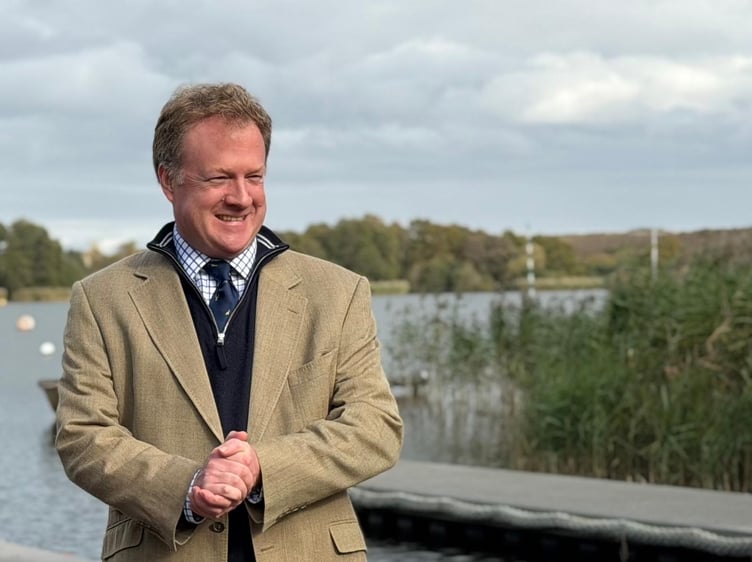
By the time you read this, the Chancellor's first Budget will have been delivered and we will know exactly where this Labour Government's priorities lie.
Budgets are about choices. Every pound spent in one area is a pound that cannot be spent somewhere else. For months, the Government has tried to avoid giving much away, but those of us who have watched Labour over the years know that changing the Chancellor does not change the party.
Young people want better-paid jobs, opportunities close to home and somewhere they can afford to live. These are not unreasonable asks. They are the foundations of a strong local economy.
Yet all the signs suggest Labour is preparing to head in the opposite direction.
Welfare spending is already forecast to rise by £51 billion by the end of this Parliament, with inflation alone adding another £5.5 billion to the bill. Rather than tackling the causes of rising living costs, speculation suggests the Chancellor could instead announce another taxpayer-funded support package for those on welfare.
That does little for independent businesses on Farnham and Haslemere's high streets, manufacturers in Bordon, shops in Liphook, farmers across our villages or the thousands of working families who have seen their household bills climb over the past two years.
Labour promised energy bills would fall by £300 before the election. Instead, they have risen by £367.
People here clearly do not want more of Labour's economics. They want the Government to bring bills down permanently by removing the barriers that make energy more expensive in the first place.
That is why Conservatives are calling for green levies and unnecessary red tape to be cut, alongside our Cheap Power Plan, which would reduce household energy bills by around £200 and business energy costs by 20 percent.


The Chancellor also faces a test of his own credibility.
When John Healey resigned as Defence Secretary in June, he said spending anything less than 3 percent of GDP on defence would leave Britain "less safe".
If he now stands at the despatch box and fails to fund that commitment, what conclusion are people supposed to draw?
If 3 percent was essential then, it is essential now. If he no longer believes that, he owes the country an explanation. If he still believes it, he should deliver it.
For communities like ours, this Budget should be about rewarding work, backing enterprise, reducing the cost of living and keeping Britain secure.
The choices the Chancellor has made will tell us whether those priorities are shared by this Government.
Comments
We've recently changed our login process. If you have an account for commenting, you will need to re-register on the login window.
This article has no comments yet. Be the first to leave a comment.