
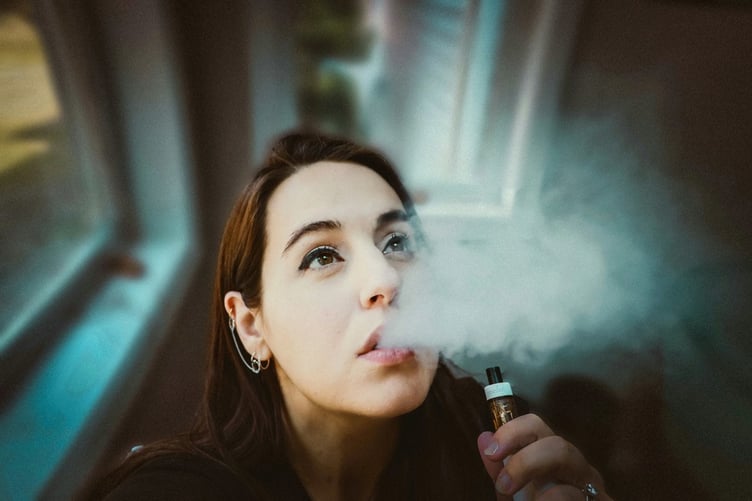
Prescribed medical cannabis may come with a vaporiser, but the temperature dial is not there for decoration. Different heat levels change what the flower releases, and the right setting depends on the prescription and the way the device is used under clinical guidance. That makes the number on screen worth understanding.
A prescription for medical cannabis flower comes with practical details that are easy to overlook at first, and vaporiser temperature is one of them. Different heat settings release different compounds from the flower, which means the number on the device is doing more than controlling warmth. Patients still need to follow the instructions given with their prescription, because the suitable setting can depend on the flower being used.
Temperature Changes What Is Released From the Flower
So, what's the best temperature for vaping dry herb? Well, that depends on the prescribed flower and the guidance given by the clinician. A general range of 180°C to 220°C is commonly used, but lower settings between about 155°C and 180°C retain more of the flower’s terpenes.
At around 180°C to 200°C, a broader mix of cannabinoids and terpenes is released. Going above 200°C produces thicker vapour and releases more cannabinoids, although a higher temperature is not automatically the better choice. The useful setting is the one that fits the particular prescription rather than a single number that works for every patient.
Prescribing Still Sits With a Specialist Clinician
Temperature is only one part of using prescribed medical cannabis flower. The treatment itself begins with a specialist clinician deciding whether a cannabis-based medicinal product is appropriate for an individual patient, taking their condition and current treatment into account. Initial prescribing must be carried out by, or under the direction of, a clinician on the GMC Specialist Register.
That clinical oversight continues after a prescription has been issued. The chosen product and the way it is used can be reviewed as treatment progresses, which leaves room for adjustments when they are clinically appropriate. For patients using flower with a vaporiser, device settings therefore sit inside a wider treatment plan rather than being a separate decision made in isolation.
Choosing a Clinic Is Part of the Process
The clinical relationship does not end once a prescription has been issued. Choosing a UK cannabis clinic also means looking at the care around that prescription, including consultations and the support available afterwards. Patient ratings can add useful context here, especially when they are backed by a large volume of verified reviews.
 Gear up for Christmas: Affordable seasonal hiring solutions for local businesses
 Frights and delights this spooky season with these incredible Halloween events
 Don’t let a dispute escalate - how can early advice make a difference?Co-Parenting at Christmas; how do I arrange contact over the festive period?
One provider currently holds a 4.8-star Trustpilot rating from more than 9,000 reviews, which gives patients a substantial body of feedback to consider alongside the clinical service itself. Ongoing care remains important because prescriptions can be reviewed and adjusted when clinically appropriate, so the quality of follow-up is part of the treatment experience rather than something separate from it.
Dry-Herb Vaping Is Its Own Delivery Format
Dry-herb vaporisers heat cannabis flower without burning it, and temperature control is a central part of that process. The technology now sits within a global cannabis vaporiser market valued at about $5.9 billion in 2024, with dry-herb devices treated as a distinct product category alongside other vaporiser formats.
Different devices also use different heating methods, so two vaporisers set to the same temperature will not necessarily behave identically. That makes the device itself part of the practical conversation around prescribed flower. Patients need to understand the controls on the vaporiser they have been given or advised to use, rather than assuming one temperature setting will translate perfectly from one device to another.
Local Cannabis Stories Need the Medical Context Kept Clear
Cannabis also appears in local news for very different reasons. Police raids in Aldershot and Farnborough recently led to the seizure of cannabis plants valued at more than £588,000. That story concerns illegal cultivation and organised crime, which sits entirely outside the clinical setting of prescribed medical cannabis.
Keeping those two contexts separate is important for patients. A prescription is issued through a medical process involving specialist oversight, with the product and its use reviewed as part of ongoing care. Local crime reporting deals with unlawful production and supply; prescribed cannabis belongs within healthcare, where treatment decisions are made case by case.
Finding the Right Setting Comes Back to the Prescription
Vaping prescribed medical cannabis flower involves more than choosing the hottest setting and leaving it there. Temperature affects what is released from the flower, so patients need to use the device in a way that fits the product they have been prescribed and the instructions given by their clinician.
There is no single temperature that works for every patient or every flower. The useful range depends on the prescription and the vaporiser being used. Keeping those factors together makes the process easier to understand and keeps medical cannabis where it belongs: within an individual treatment plan supervised by a specialist clinician.
Comments
This article has no comments yet. Be the first to leave a comment.