
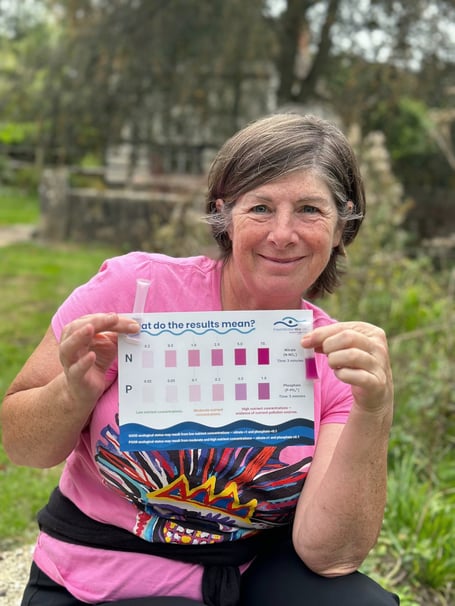
Nitrate levels are above acceptable on two East Hampshire waterways – with the results of one freshwater test at a pond near Alton being called “particularly concerning”.
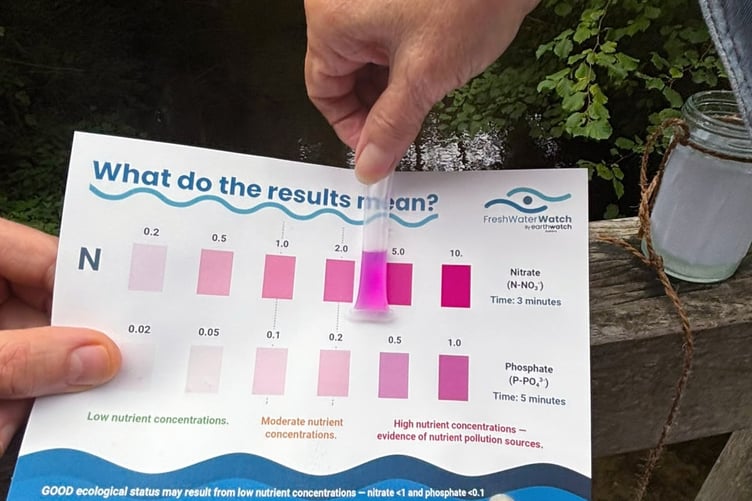
Upper Neatham Pond is potentially suffering from severe nutrient pollution with a litre of water containing 10 milligrams of nitrate according to tests carried out on Saturday (September 19).
The reading was the highest recorded on the 1 to 10 scale given by the Earthwatch organisers of the Great UK Waterblitz.
The citizen-science project saw volunteers record nitrate and phosphate levels on rivers and waterways around the UK as part of a nationwide freshwater monitoring project.
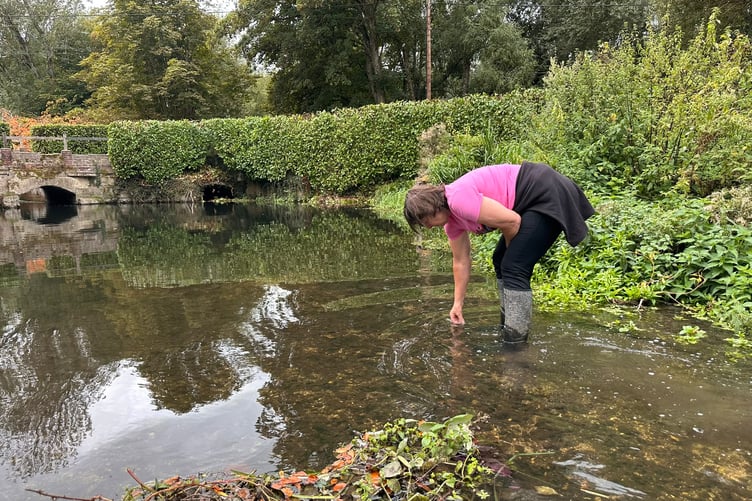
The Upper Neatham Pond site in Holybourne was one of two where tests took place locally, with another taking place on the Wey by Pooh Sticks Bridge at Radford Park in Liphook.
East Hampshire district councillor, James Hogan, joined Green volunteers Dan Bouette and Michelle Cave for tests in Liphook.
Waterways with anything below less than 1mg of nitrate per litre have a “good” ecological status according to Earthwatch with 1 to 5 being “poor – moderate” and above 5 being “poor-high”.
Nitrate levels of between 2 and 5 mg/l were recorded on the Wey at Liphook, placing the section on the moderate-to-high range.
Alton town councillor, Lorna Woodcroft, carried out the test at Upper Neatham Pond with a worrying 10 mg/l being recorded at the Holybourne site.




And while phosphate levels were low at Liphook, they were between 0.05 and 0.1 mg/l at the pond, putting it in the low to moderate range.

“Both local nitrate results fall within the range that Earthwatch associates with ‘poor ecological status’,” said Cllr Woodcroft.
“The result at Upper Neatham Mill Pond was particularly concerning.
“Our test showed nitrate at the very top of the Earthwatch chart scale at 10 mg/L.”
Waterbodies with elevated nitrate levels are at risk of eutrophication and severe nutrient pollution. This can lead to algal blooms, oxygen depletion, aquatic suffocation and smaller and deformed fish.
High nitrate concentrations are often associated with agricultural pollution and fertiliser runoff while elevated phosphate concentrations can be associated with sewage treatment works, livestock farming and material spread on land.
“High nitrate levels matter because excess nutrients can encourage excessive plant and algae growth and reduce oxygen in the water, which can harm fish and other wildlife,” added Cllr Hogan.
“It is another reason why continued monitoring of the Wey is so important.”
Cllr Hogan continued: “What makes the WaterBlitz particularly useful locally is that we can compare our results with the regular monitoring already taking place by the River Wey Trust, whose recent testing also shows similar nitrate readings.
“Citizen science like this helps build up a much clearer picture of what is happening in our rivers over time.”
The Great UK WaterBlitz has seen more than 3,300 individual water quality readings uploaded by volunteers across the UK at the time of writing.
The project aims to provide a snapshot of water quality across the country.
Comments
This article has no comments yet. Be the first to leave a comment.