
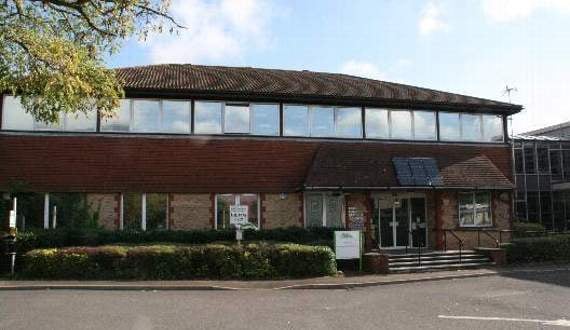
A NEW Local Plan is being put together for East Hampshire.
Now there are 11 words guaranteed to put the hardiest reader straight to sleep.
The Local Plan is just a load of bureaucratic nonsense, right? The decisions have already been made and whatever we, the local residents, feel about it, it won’t make the slightest bit of difference. Right?
Well… wrong.




The Local Plan sets out what developments are being considered, and where.
And, according to East Hampshire District Council’s planning policy manager Victoria Potts, local input is vital.
“Some councils get a good response from residents with their Local Plan, but that never seems to be the case here,” she said.
“We do want to hear what people have to say – and, I promise, it won’t be a waste of their time.
“The government sets the numbers of homes we have to build. For the life of this Local Plan, which runs from 2017 to 2036, that number is 11,556.
“It sounds a lot, but it isn’t really. We are already planning to build many new homes in Whitehall and Bordon. Last year, for instance, almost 800 homes were built, when our target number was 492.
“After taking into account what we are already planning, that leaves us with 3,700 homes.”
And that’s where the public come in.
The council has already put out feelers and spoken to landowners and agents to come up with sites officers believe are suitable for new homes.
That’s not to say that if officers see a bit of green space, their first thought is to plonk a new housing estate on it.
“We have to find areas where new development is suitable,” said Ms Potts.
“There are a lot of factors to take into consideration.
“If we identify a space but the landowner is against it, it won’t happen. We won’t look to compulsory purchase the land or anything like that.
“The land has to be the right location for homes. It has to tick the environmental boxes – there are sites that are important to wildlife, like bats and dormice, and we wouldn’t interfere with that.
“It has to be able to have the right vehicular links, no flood danger and to be able to have the right utilities.
“One of the things that make this part of the world so wonderful is the little villages you come across. We have to make sure we don’t build between these villages to make them large conurbations and to lose their unique character.
“We have identified four areas for new homes, including a permanent site for travellers, gypsies and showpeople. But that’s all we have done – we have identified them.
“We now need local people to look at our suggestions and see if they’re right.
“They may know of perfectly valid reasons why what we are suggesting will not work. Their local knowledge could prove vital. And they may be aware of pockets of land ripe for development that we haven’t even thought about.
“That’s why it’s so important for people to get in touch during the consultation stage.
“This is a real consultation. It’s not us telling people what is going to happen. We want to hear comments and suggestions, to find out if people support the ideas or oppose them.
“It’s far easier to influence the final decision if people engage now and make their views known, rather than waiting until further down the line when decisions have been made.”
Learn more at upcoming drop-in sessions:
Ropley – Ropley Parish Hall, Tuesday, February 5, 3.30pm to 8.30pm;
Alton – Maltings Centre, Saturday, February 9, 10am to 2pm; and Friday, March 15, 3.30pm to 8.30pm;
Bentley – Bentley Village Hall, Friday, February 15, 3.30pm to 8.30pm;
Whitehill & Bordon – Forest Community Centre, Thursday, February 28, 3.30pm to 8.30pm;
Four Marks and Medstead – Medstead Village Hall, Friday, March 8, 3.30pm to 8.30pm.
Comments
This article has no comments yet. Be the first to leave a comment.